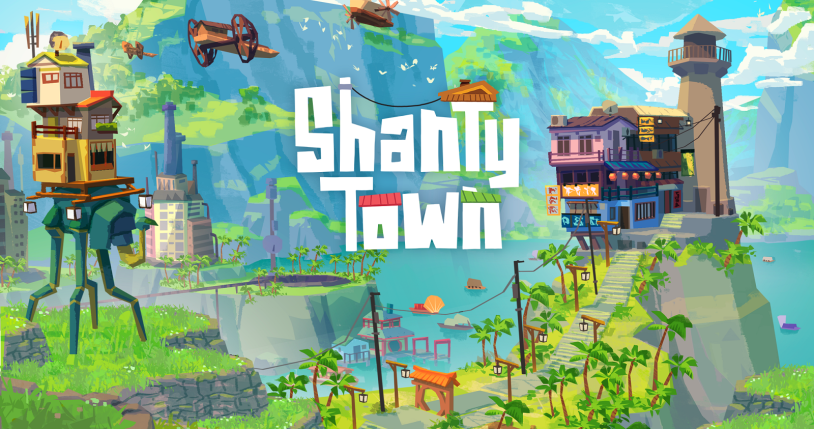
Normally, I tend to review games when I have a lot that I’d like to say about them. Part of the fun in writing about games is relaying exactly which pieces captured your imagination with the hope that others will share in your enthusiasm. Hence, when I’m bursting at the seams to talk about a game, I’ll end up featuring it here on my blog.
However, I don’t feel like that’ll work as well for ShantyTown. That’s not for lack of things that I want to talk about. Rather, I feel like others will immediately understand the appeal of the game, and know why it’s cool simply from looking at screenshots of it.
You know the old adage: a picture is worth a thousand words.
As such, I’d like to try something a little different with this review. Instead of talking your ear off for 1000 words, I’m just going to summarize what ShantyTown is, and then share screenshots from my playthrough. I feel like they’ll do a better job of articulating exactly why this game is special, and why you should give it a look for yourself.
Developer(s): Erik Rempen
Publisher(s): Kinephantom Games
Release Date: April 16th, 2026
Released on: Windows, MacOS
Reviewed on: PC (Win)
Copy Purchased
Before we get into my photo album, I want to first establish what ShantyTown is. In as few words as possible: it’s a digital diorama for cramped urban spaces. You’ll start each level with a very limited amount of space, and be tasked to fill it with shops, apartments, and street furniture. Once you’re done, you snap a photo (or several), and move onto the next locale to do it all over again with a new set of objects.
That said, ShantyTown isn’t just a sandbox in the same way that something like Tiny Glade is. Instead, there’s a slight puzzle aspect to the whole affair. You see, players are only given 3 objects to place at a time. They’re also expected to place anywhere from 20 to 40 additional buildings, or pieces of furniture before it’s finally picture time. Ergo, completing each of the spaces isn’t just about arranging everything in a way that’s aesthetically pleasing – you’ll also need to plan for future expansion.
Though, these future expansions aren’t meant to be gotcha moments. Players are able to look through the entire list of upcoming accoutrements to know exactly what order they’re arriving in. Knowing this, it becomes a lot easier to stencil out a rough plan for how much space you’ll need to leave in reserve. Plus, it also gives you a preview of exactly what you can expect to work with while constructing your current diorama.
I think it also bears mentioning that each of the game’s 20 maps feature unique, curated lists of objects. As such, many of the maps manage to feel completely visually distinct from one another even though you’re using, largely, the same basic set of buildings, and street furniture from one map to another.
In my estimation, that’d have been enough to make ShantyTown a fairly compelling offering, but it has one more puzzley twist: building upgrades. You see, each building has a certain number of needs that are represented by 1 of 3 different colour coded symbols. Once you’ve placed the requisite furniture pieces onto, or around a building, it’ll upgrade into a more visually striking structure. As a quick example, houses require 3 yellow (lights, or lighting based) fixtures, and will upgrade after you’ve mounted a few additional windows upon them. In this way, the gameplay of ShantyTown almost feels akin to something like Dorfromantik, or Islanders.
Though, I’ll admit that the lack of a scoring system makes it a lot easier to focus on decorating beautiful dioramas, instead of optimizing for a new high score.
OK. With all of that said, here’s what I managed to come up with across my 10 hours of playtime:
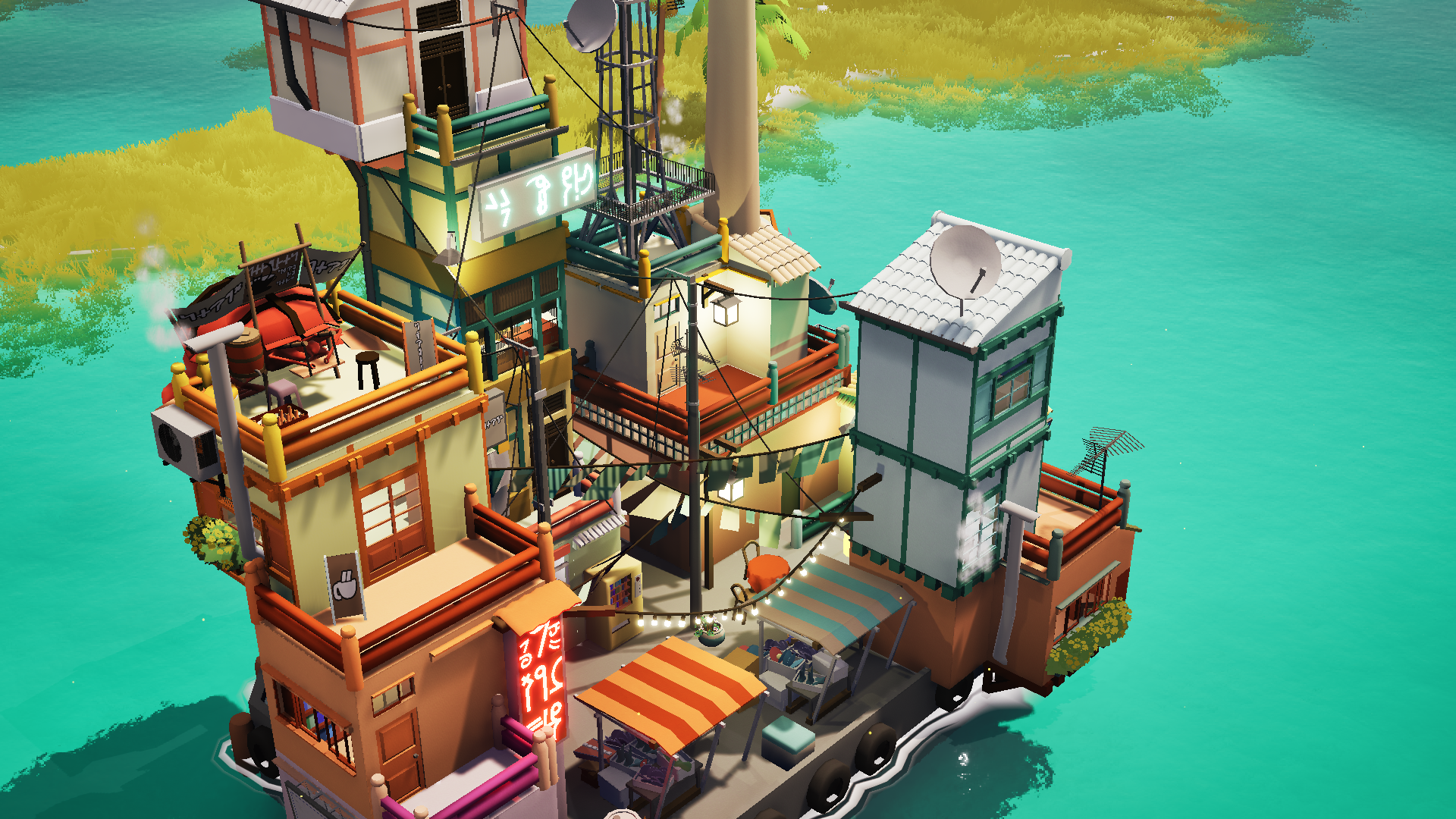
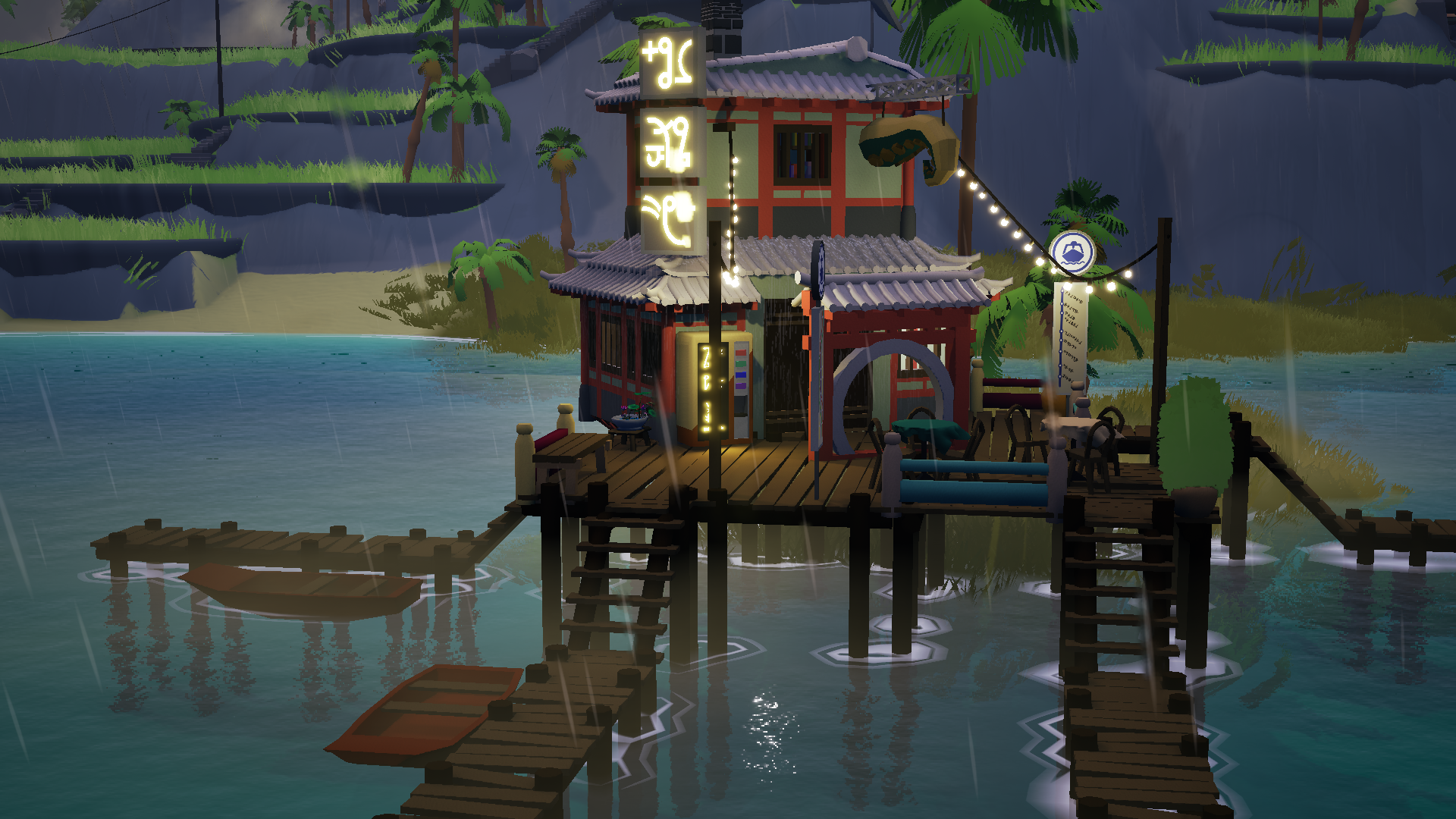
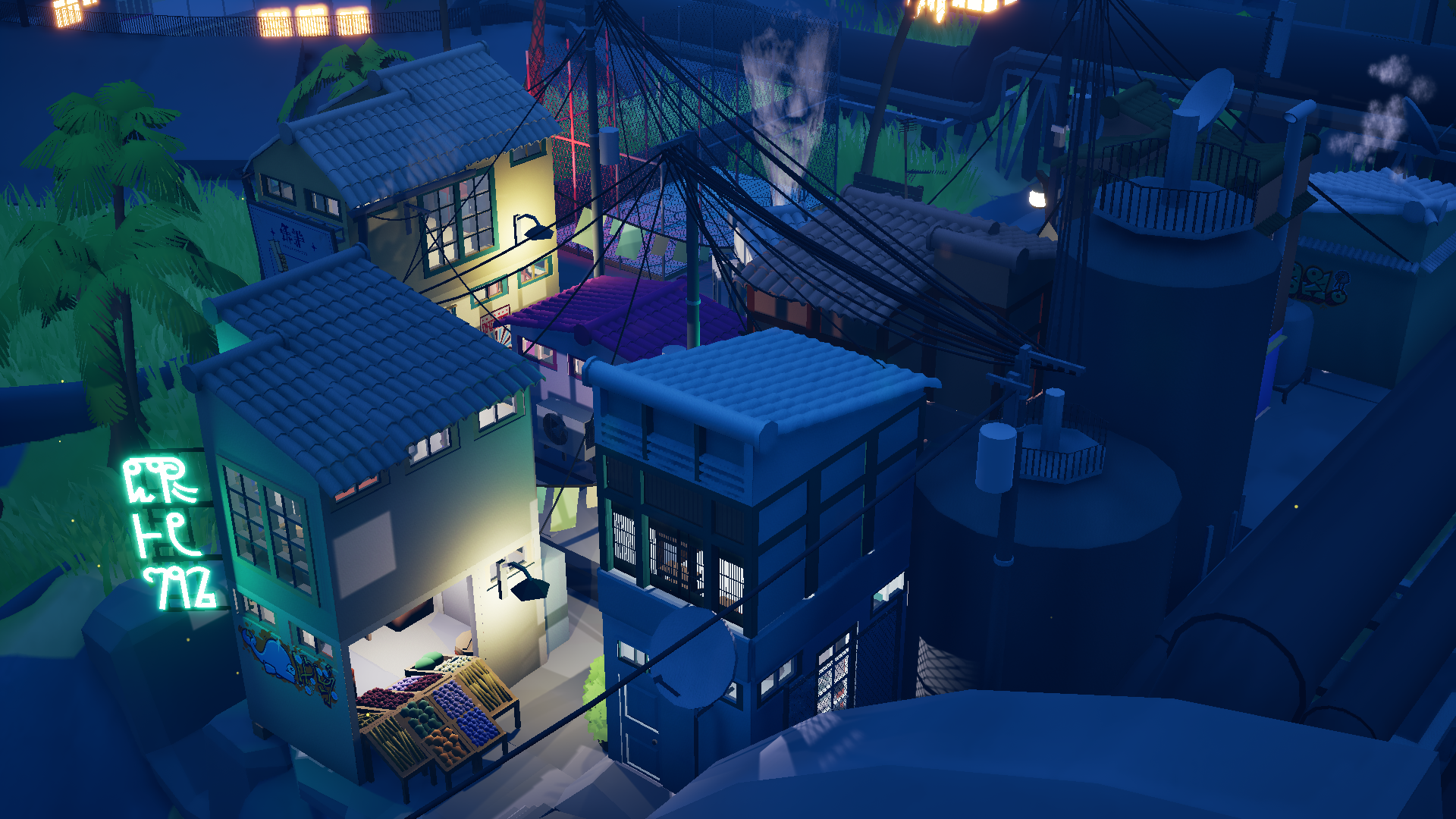
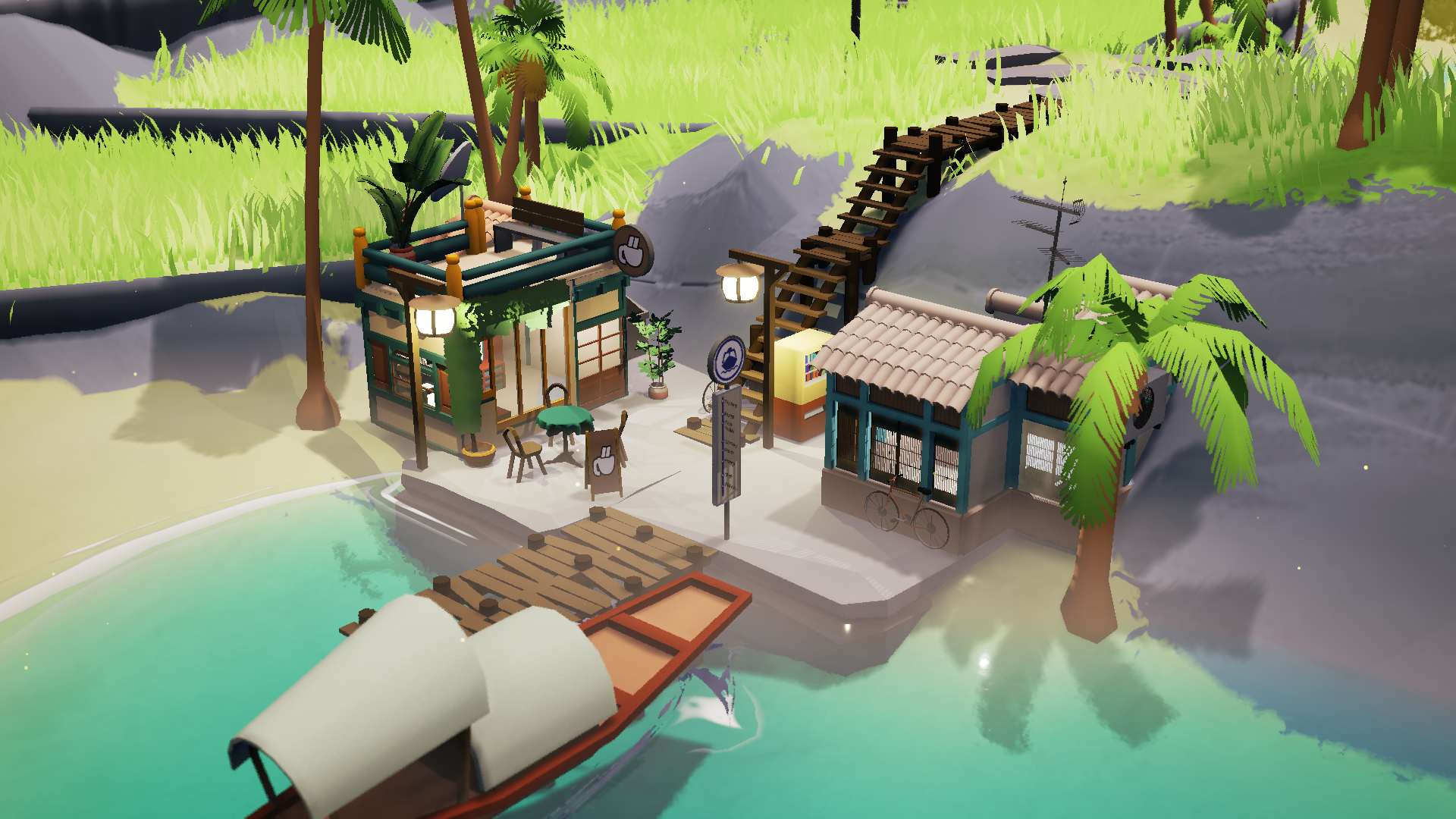
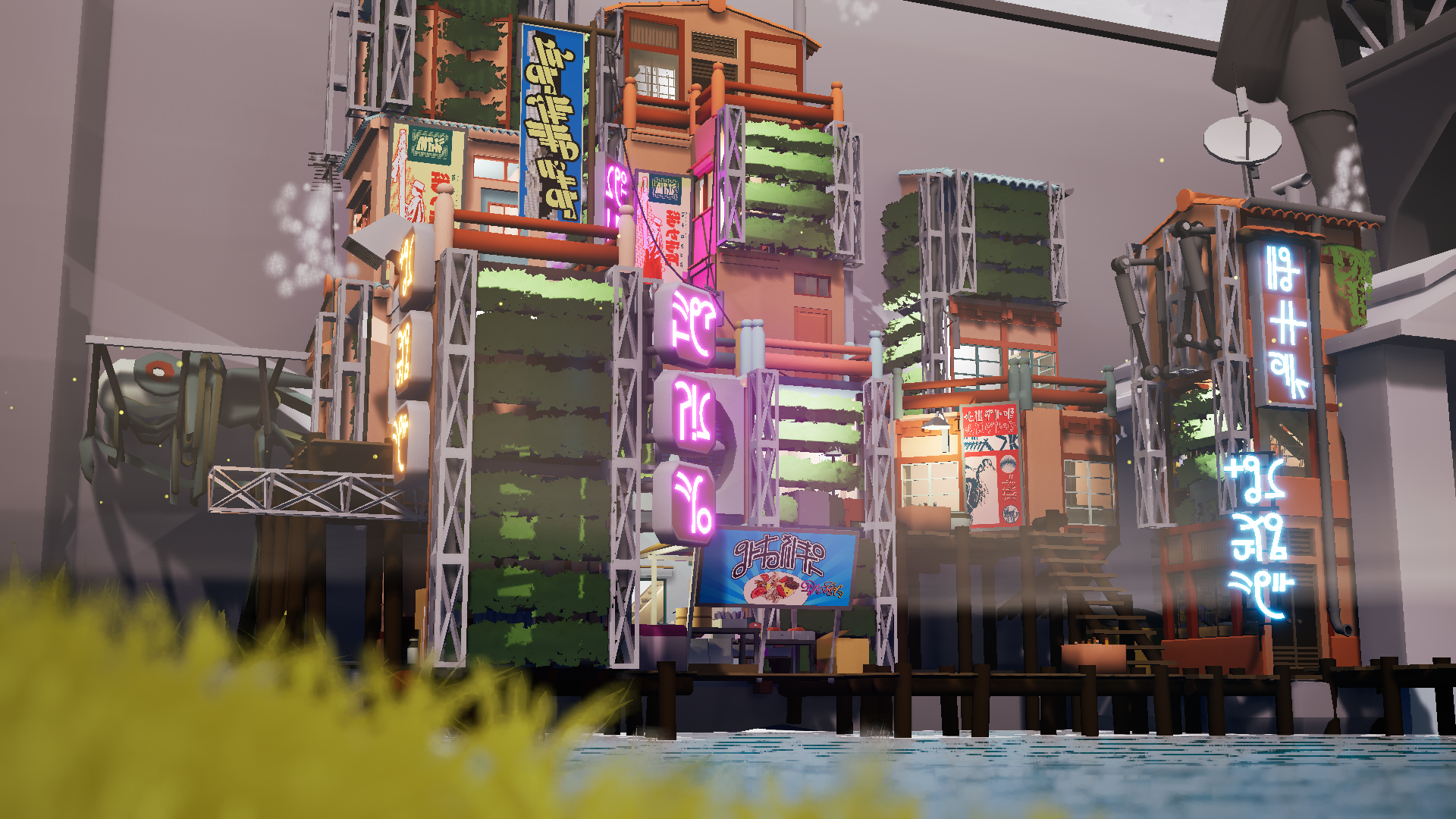
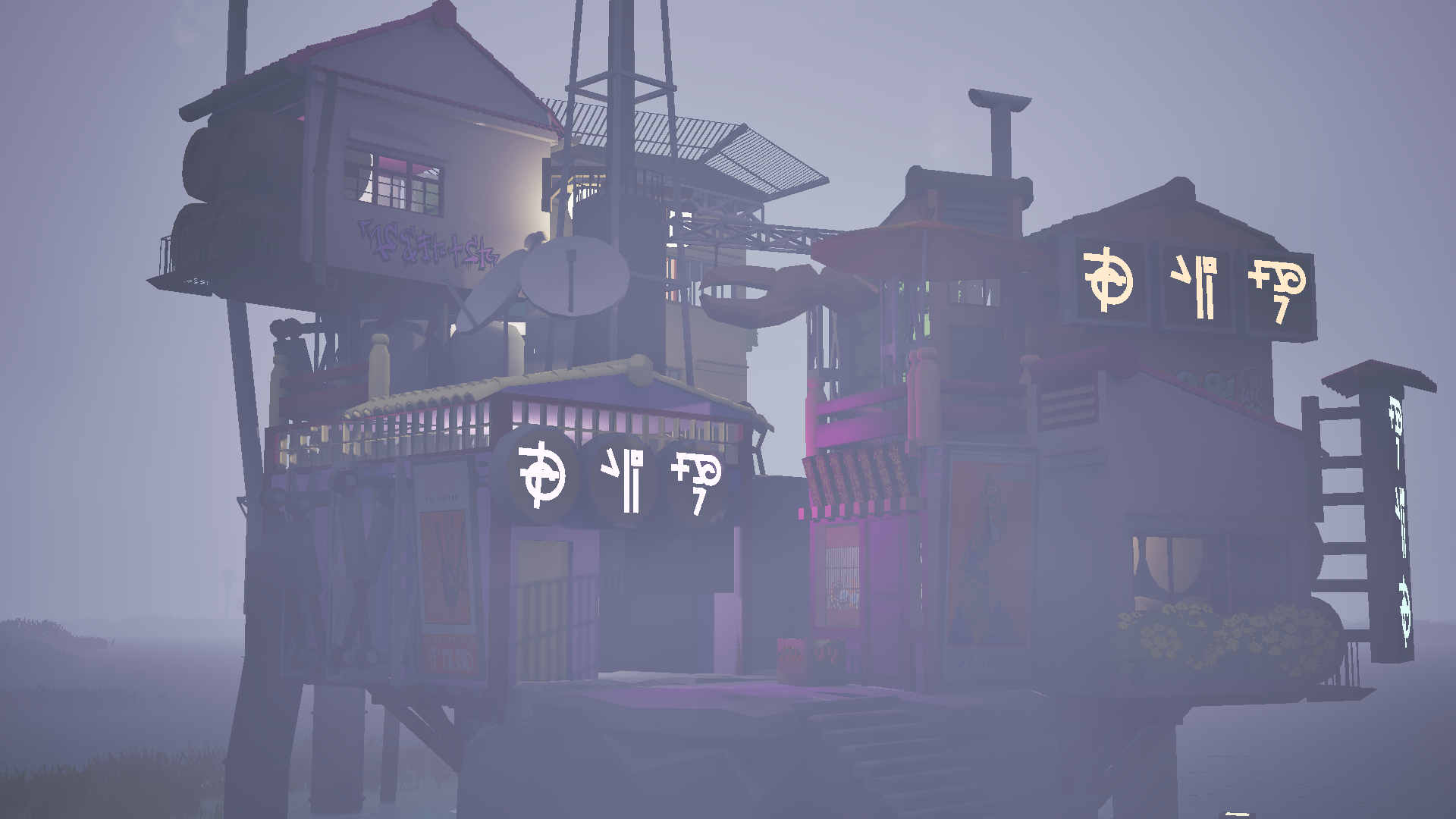
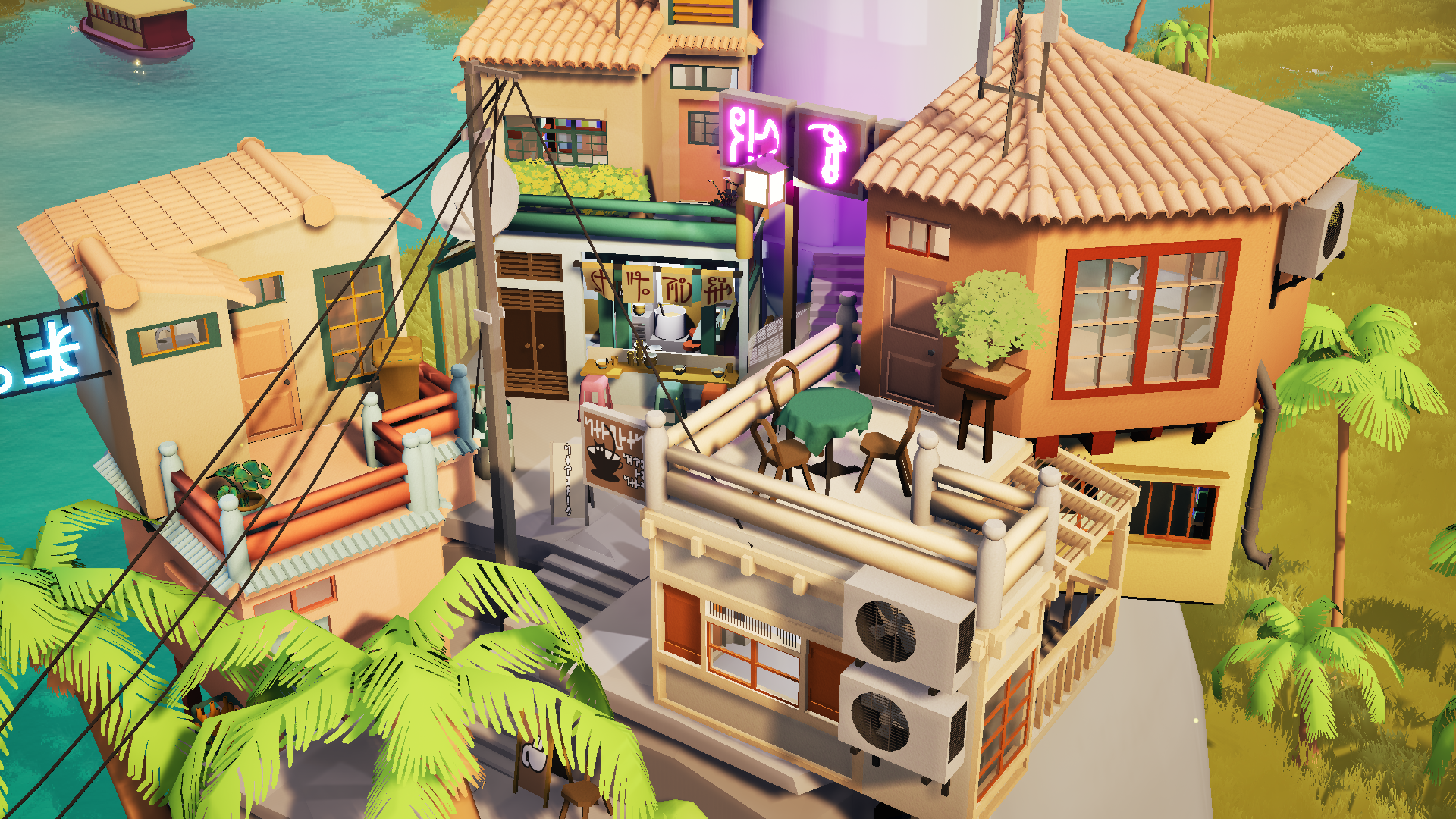
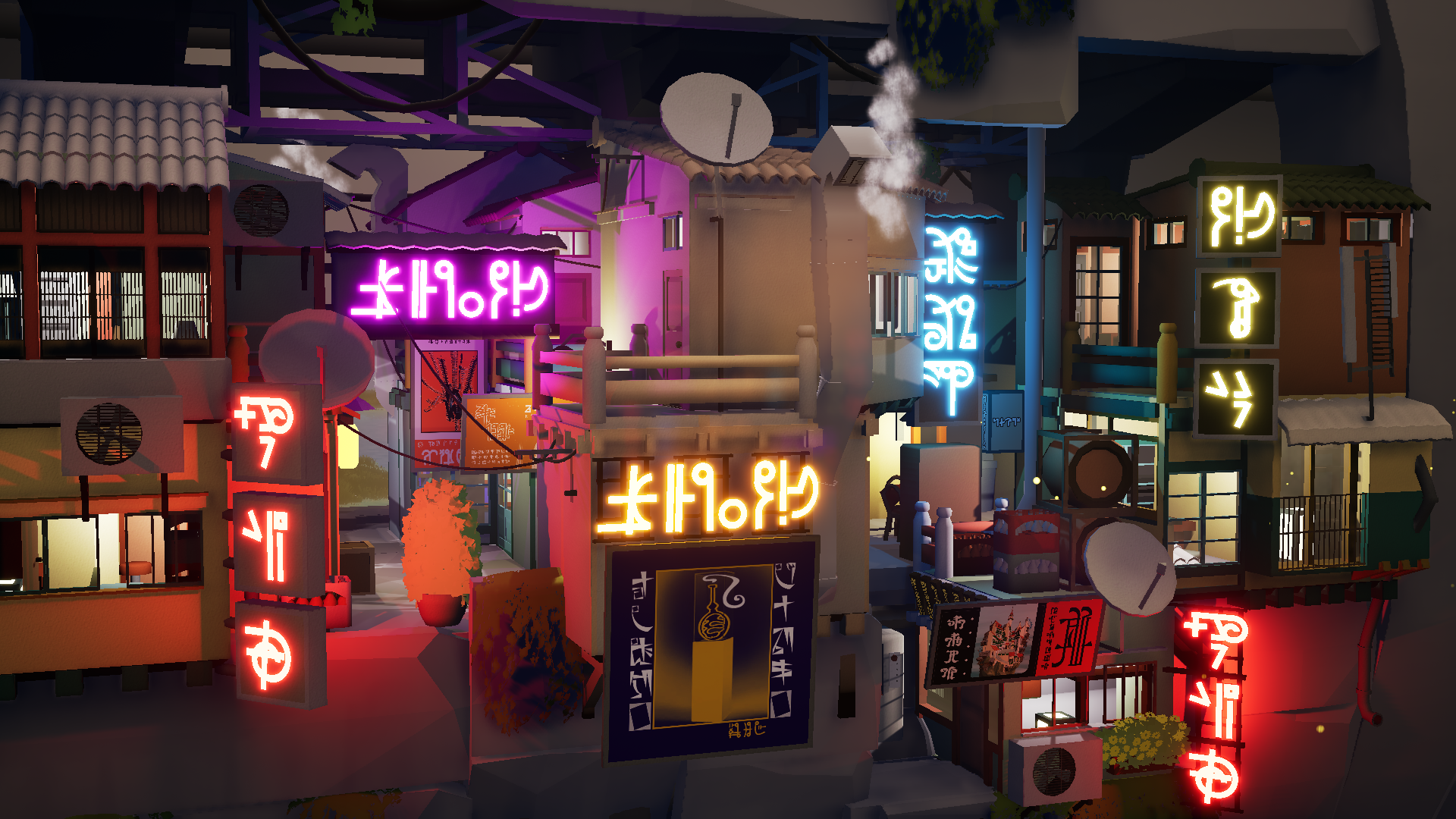
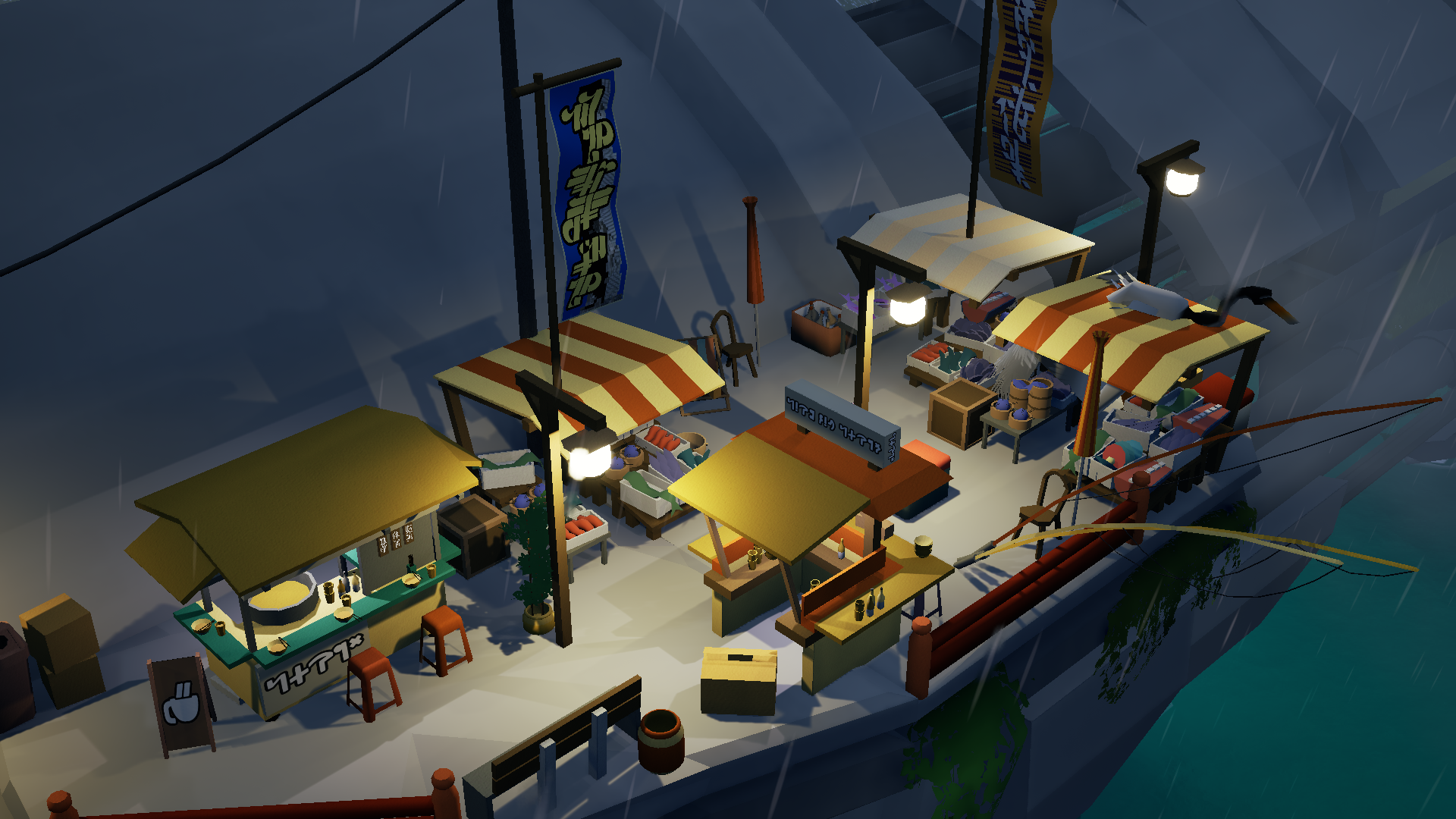
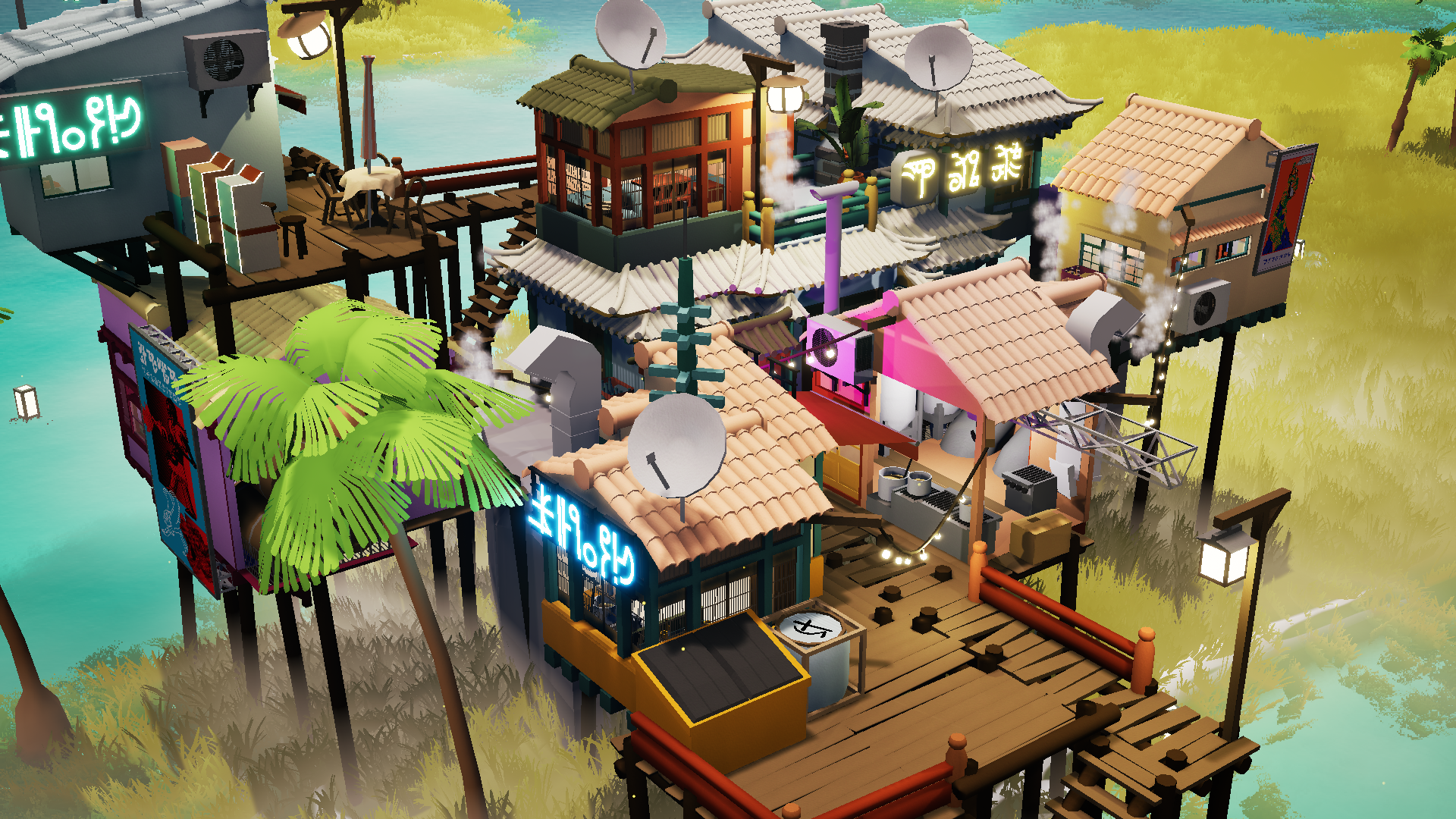
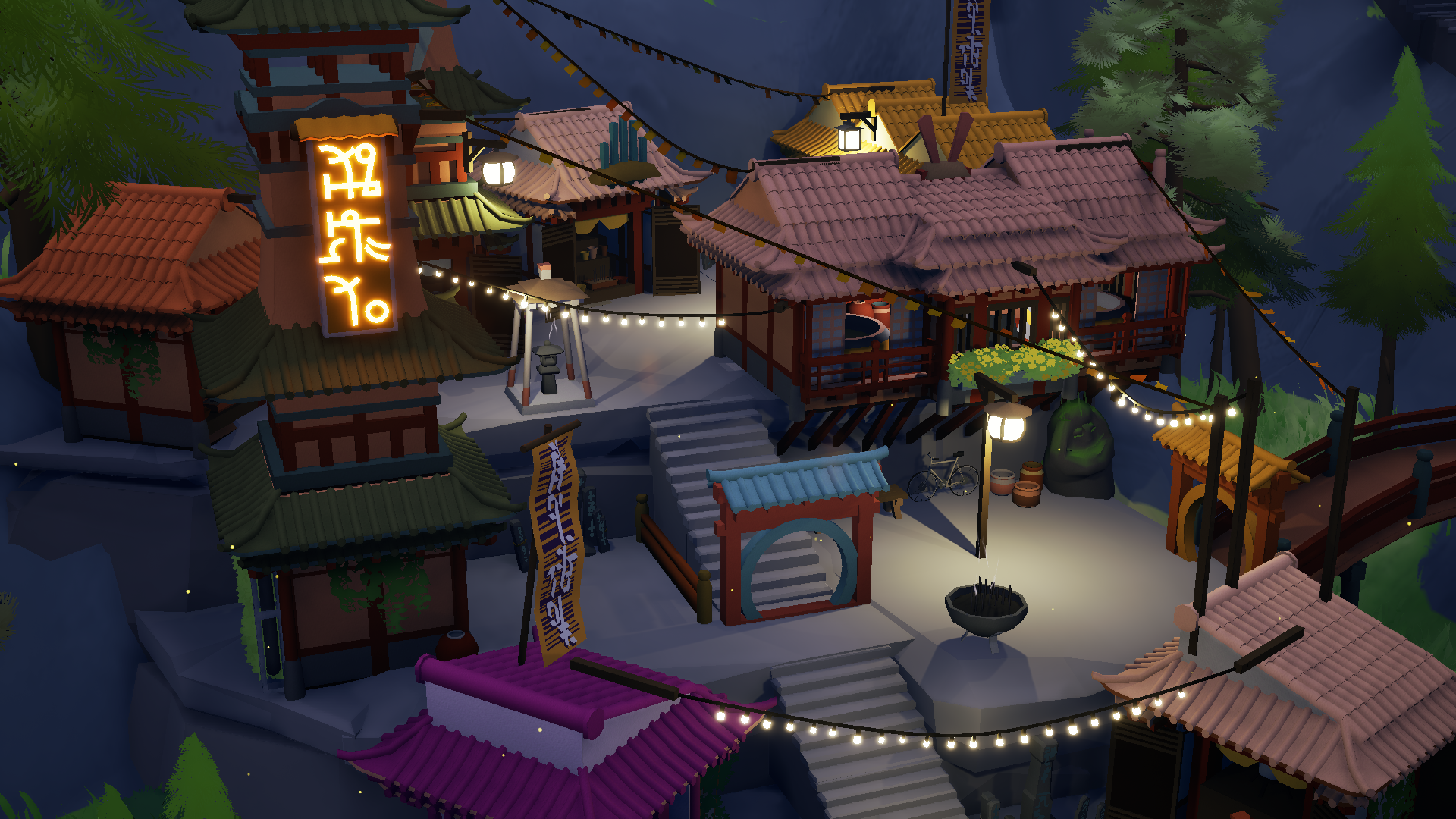
As I said, I think that screenshots of ShantyTown do a much better job of selling what makes it so darn compelling. In addition, I found the puzzle mechanics, and limited scope of placing 3 items at a time very helpful for drawing me in. I don’t know exactly why, but I tend to have a much easier time exercising creativity when I don’t have limitless freedom. Though, there is a sandbox mode available too if that’s more your speed.
All said, ShantyTown is an easy recommendation. It does such an amazing job of delivering on its premise of building picturesque, urban environments. Players are given just enough tools to prevent being overwhelmed, and the variety across the game’s 20 levels help to keep things feeling fresh. If you looked at any of the screenshots that I’ve included within this review and thought, “that looks pretty cool”, then you owe it to yourself to check out ShantyTown.
Also, there is a demo, and progress carries over into the full game. So you really don’t have any excuses.
Did you enjoy what you read? Consider supporting my work by buying me a coffee over on Ko-fi.


Loved seeing your builds!
When I played the demo of the game, I found the controls to be a bit janky. It has been many months though.
Maybe it’s time that I give it another try, I love the premise and the looks of the game.
LikeLiked by 2 people
Tyty
I’m going to go out on a limb and assume that you played on SteamDeck? If so, I can’t speak to the controls since I played with a mouse and keyboard. Honestly, if I could’ve played with just the mouse I probably would’ve. Heck…if I could run this on a device with a touch screen that’d have been perfect too.
Either way, maybe give the demo another look before buying? And hope you enjoy it if you do. 🙂
LikeLiked by 1 person